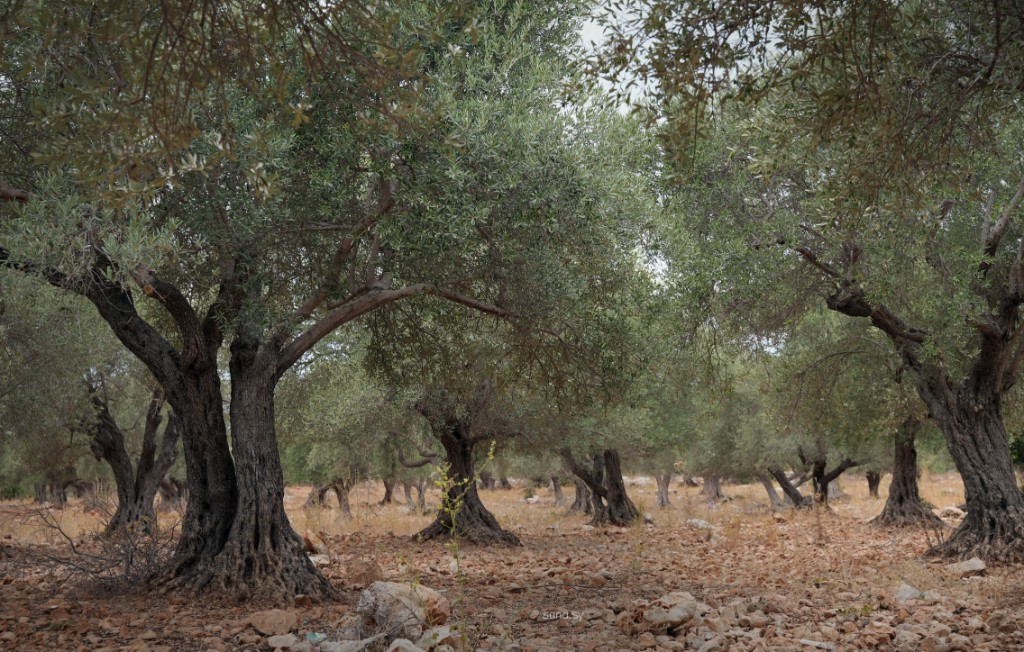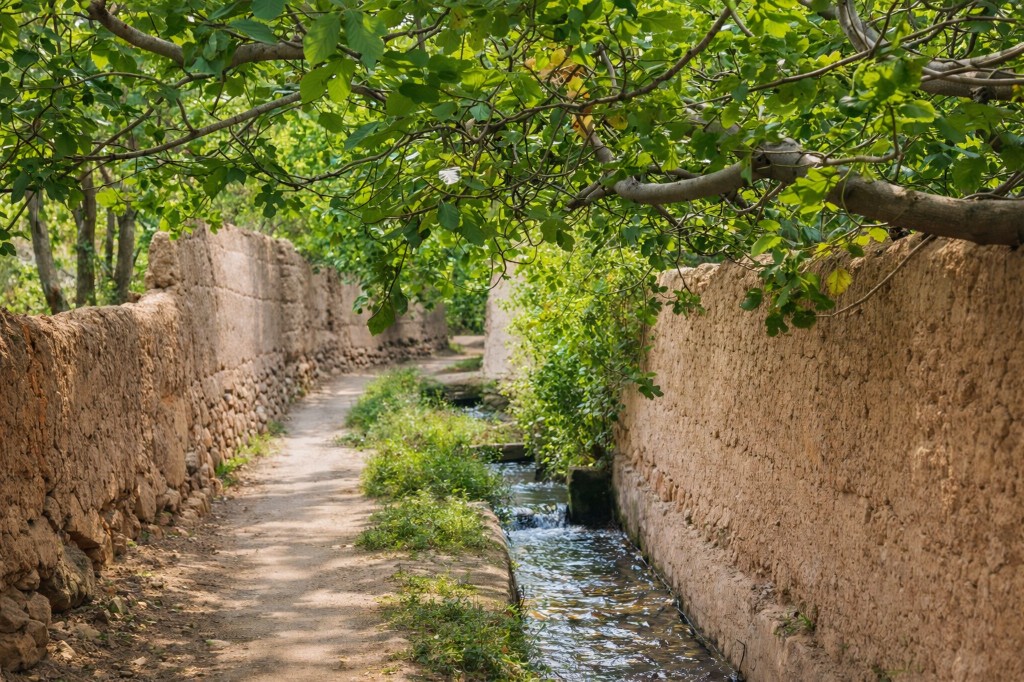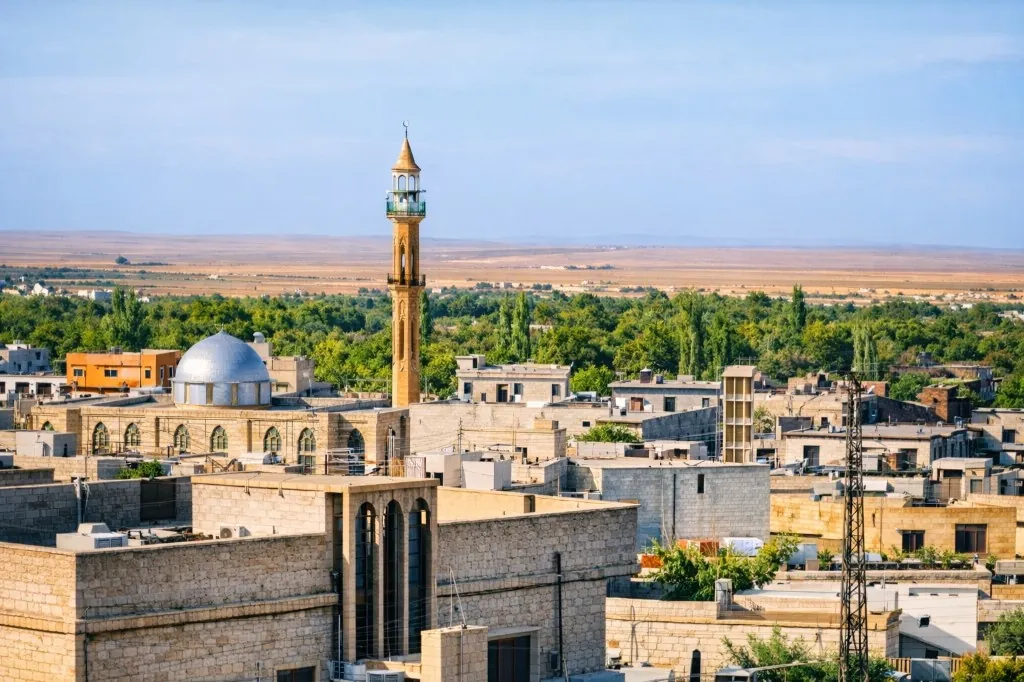
The town of Mheen is located in the Homs Governorate, in the heart of the Syrian Badia (desert), at an elevation of over 900 meters above sea level. Situated about 85 kilometers from the city of Homs, the town forms a green oasis that defies the harshness of the desert geography. Its name carries Aramaic roots (Mia chi), meaning "Living Waters," thanks to its fresh springs and deep connection to the groundwater that has irrigated its orchards across generations.
Before the war engulfed the country, Mheen was home to a population of approximately 20,000. The town was known for its cohesive and hospitable community. Its people relied primarily on agriculture, especially fig, grape, and olive orchards, as well as livestock and cattle rearing, while a portion of its youth chose the path of working abroad.
With the outbreak of the Syrian Revolution, Mheen did not remain isolated from its surroundings; instead, it joined the path demanding freedom, making immense sacrifices through the blood of its youth, including martyrs and detainees. However, its geographical location and proximity to strategic ammunition depots, considered among the largest weapons facilities of the fallen regime, placed it directly in the eye of the storm.
Between 2011 and 2015, the town turned into a grinding battleground. It faced multiple military campaigns and invasions, endured looting, and saw its homes burned twice, forcing its people into forced displacement and causing them to leave their lands on several occasions. Today, following the victory of the Syrian Revolution, the people of Mheen have begun returning to it. Despite the harshness of the displacement and diaspora years, "Mheen" remains in the Syrian memory as a living document, a witness to the cost of dignity, and an indelible legacy of resilience.